
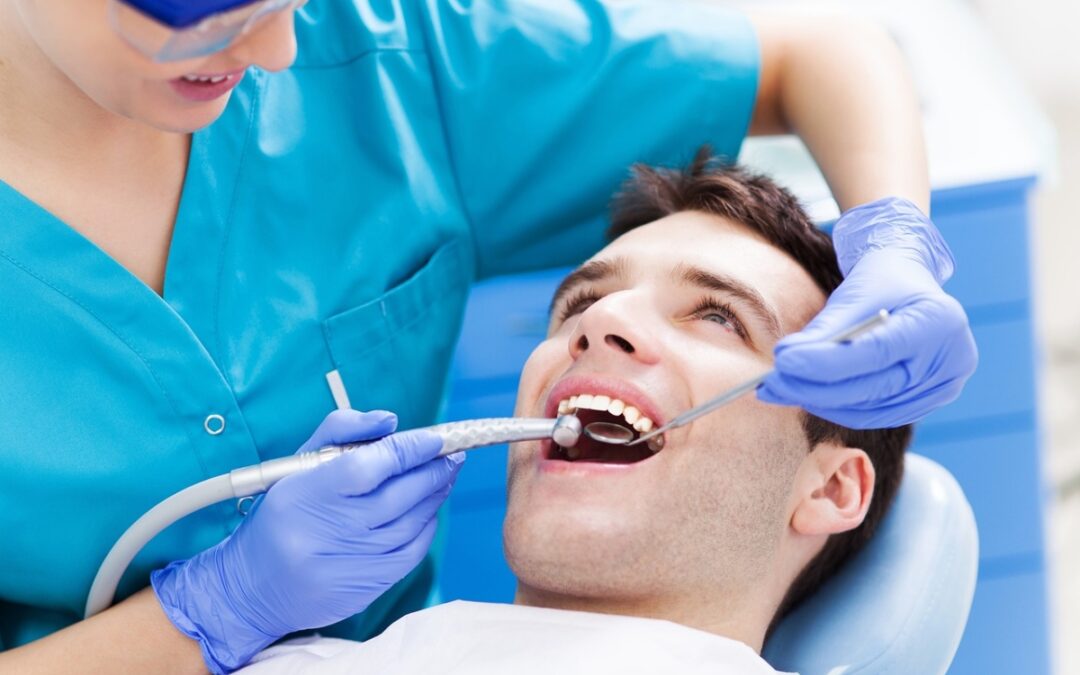
Understanding dental emergencies
Dental emergencies can occur anytime, often when you least anticipate them. Whether it’s a severe toothache, a broken tooth, or a lost filling, these unexpected dental issues can cause significant pain and disrupt your daily life. Knowing how to handle a dental emergency, especially after regular business hours, can make all the difference in getting the prompt care you need and minimizing the impact on your oral health.
In this comprehensive guide, we’ll explore common dental emergencies, the steps you should take, and how to find an emergency dentist in Gainesville to address your dental needs, even when your regular dentist is unavailable.
Common dental emergencies and their causes
Dental emergencies can take various forms, each with its own unique set of causes and symptoms. Some of the most common dental emergencies include:
- Severe toothache: Toothaches can be excruciating and are often caused by deep cavities, infected or abscessed teeth, or even a cracked or broken tooth.
- Knocked-out (avulsed) tooth: This can happen due to a traumatic injury, such as a fall or a sports-related accident, and requires immediate attention to increase the chances of saving the tooth.
- Broken or cracked tooth: Teeth can become chipped or cracked due to biting on hard foods, grinding or clenching your teeth, or a direct impact on the mouth.
- Lost filling or crown: Fillings and dental crowns can become dislodged, leaving the underlying tooth vulnerable to further damage and infection.
- Excessive bleeding: Severe bleeding from the mouth, often due to a tooth extraction or an injury to the soft tissues, can be a medical emergency that requires prompt attention.
Understanding the common causes of these dental emergencies can help you recognize the signs and take the appropriate action when they occur.
Steps to take during a dental emergency
If you find yourself facing a dental emergency, it’s essential to act quickly and follow these steps:
- Assess the situation: Evaluate the severity of the problem and determine if it’s a true dental emergency or a less urgent issue that can wait until your regular dentist is available.
- Manage the pain: If you’re experiencing severe pain, take over-the-counter pain medication, such as ibuprofen or acetaminophen, to help alleviate the discomfort.
- Control any bleeding: If you’re experiencing excessive bleeding, apply firm, direct pressure to the affected area using a clean cloth or gauze. If the bleeding persists, seek immediate medical attention.
- Preserve any knocked-out or dislodged teeth: If you’ve lost a tooth, gently rinse it with water, avoid touching the root, and try to reinsert it into the socket if possible. If that’s not an option, place the tooth in a container of milk or saliva to keep it moist until you can see a dentist.
- Protect the affected area: If you have a cracked or broken tooth, try to avoid chewing on that side of your mouth. You can also use dental wax or sugar-free gum to cover any sharp edges temporarily.
- Seek emergency dental care: Once you’ve taken the necessary first-aid steps, the next priority is to find an emergency dentist in Gainesville who can provide the appropriate treatment as soon as possible.
Finding an emergency dentist in Gainesville
When a dental emergency occurs, the first step is to find a qualified emergency dentist. Knowing that you have a plan in place can provide a sense of reassurance and alleviate some of the anxiety that often accompanies unexpected situations.
- Contact your regular dentist: Start by calling your regular dentist’s office. Many practices have arrangements to provide emergency care or refer you to a trusted colleague who offers 24/7 services.
- Search online: Look for “emergency dentist near me” or “emergency dentist Gainesville” to find a list of dental practices that offer after-hours care. Check their websites or call to inquire about their emergency services and availability.
- Check with your dental insurance provider: Many insurance companies maintain a list of in-network emergency dentists or can provide recommendations for nearby providers that accept your coverage.
- Ask for referrals: Talk to your friends, family, or coworkers who have had a positive experience with an emergency dentist in the Gainesville area. Their recommendations can be invaluable.
Once you’ve identified a few potential emergency dentists, take the time to research their credentials, reviews, and the types of emergency services they offer. This will help you make an informed decision and ensure you receive the best care for your dental emergency.
Factors to consider when choosing an emergency dentist near you
When selecting an emergency dentist in Gainesville, there are several factors you should consider to ensure you receive prompt, high-quality care:
- Availability: Look for a dentist who offers round-the-clock emergency services or has extended hours to accommodate after-business-hour needs.
- Location: Choose a conveniently located dentist, preferably close to your home or workplace, to minimize travel time during an emergency.
- Qualifications and experience: Ensure the dentist is licensed, experienced in handling dental emergencies, and has a good reputation in the community.
- Acceptance of your dental insurance: If you have dental insurance, confirm that the emergency dentist accepts your plan and will work with your provider to minimize out-of-pocket expenses.
- Patient reviews: Check online reviews and testimonials from other patients to get a sense of the dentist’s bedside manner, the quality of their care, and their responsiveness to emergencies.
- Availability of necessary equipment and treatments: Verify that the emergency dentist has the equipment and expertise to address your specific dental emergency, whether it’s a root canal, tooth extraction, or a more complex procedure.
By considering these factors, you can make an informed decision and choose an emergency dentist in Gainesville who can provide the prompt, reliable, and high-quality care you need during a dental emergency.
What to do if you can’t find an emergency dentist immediately
Sometimes, you may need help finding an emergency dentist immediately, especially during evenings, weekends, or holidays. If this happens, there are a few steps you can take to manage the situation until you can see a dentist. However, it’s important to note that delaying professional care can lead to potential risks such as infection, further damage, and prolonged pain. Thus, getting professional assistance as soon as possible is essential.
- Manage the pain: As mentioned earlier, take over-the-counter pain medication to help alleviate the discomfort. You can also use a cold compress on the affected area to reduce swelling and pain.
- Avoid further damage: If you have a broken or cracked tooth, avoid chewing on that side of your mouth and protect the affected area with dental wax or sugar-free gum.
- Maintain good oral hygiene: Brush and floss gently to keep the area clean and prevent further infection.
- Consider visiting an urgent care clinic or the emergency room: In cases of severe pain, bleeding, or other medical concerns, you may need immediate medical attention at an urgent care clinic or the emergency room.
- Continue your search for an emergency dentist: While waiting for an appointment, keep calling local dentists, checking online directories, and asking for referrals to find an emergency dentist who can see you as soon as possible.
Remember, even if you can’t find an emergency dentist immediately, it’s crucial to seek professional dental care as soon as possible to prevent further complications and ensure the best possible outcome for your dental emergency.
Preventing dental emergencies
Although dental emergencies can sometimes be unavoidable, there are measures you can take to minimize the risk of encountering them:
- Practice good oral hygiene: Brush your teeth twice daily, floss daily, and use mouthwash to maintain good oral health and prevent issues like cavities and gum disease.
- Wear a mouthguard: If you play sports or grind your teeth at night, wear a custom-fitted mouthguard to protect your teeth from damage.
- Avoid chewing on hard foods: Be mindful of what you’re biting down on, and steer clear of hard candies, ice, and other items that could crack or chip your teeth.
- Schedule regular dental check-ups: Visiting your dentist for routine cleanings and exams can help identify and address potential problems before they escalate into emergencies.
- Manage your oral health conditions: If you have existing dental issues, such as a cracked filling or a tooth with a large cavity, be proactive in seeking treatment to prevent them from worsening.
These preventive measures can significantly reduce your risk of experiencing a dental emergency and maintain your oral health and well-being.
Tips for managing dental pain before seeing a dentist
Suppose you’re experiencing a dental emergency and can’t see a dentist immediately. In that case, there are some steps you can take to manage the pain and discomfort until you can receive professional treatment:
- Use over-the-counter pain relievers: Ibuprofen or acetaminophen can help ease pain and lessen inflammation.
- Use a cold compress: Apply a cold compress or ice pack to the affected area for 10-15 minutes to help reduce swelling and discomfort.
- Rinse with warm salt water: Gently swishing a warm salt solution (1/2 teaspoon of salt dissolved in a cup) can help cleanse the area and provide temporary relief.
- Apply a numbing gel: Over-the-counter numbing gels containing ingredients like benzocaine can help numb the pain in the short term.
- Avoid hard or crunchy foods: Stick to soft, easy-to-chew foods to avoid further irritation or damage to the affected area.
- Practice good oral hygiene: Brush and floss gently to keep the area clean and prevent infection.
Remember that these tips offer temporary relief and do not replace professional dental care. It’s crucial to see an emergency dentist as soon as possible to address the underlying issue and prevent further complications.
Insurance coverage for dental emergencies
When dealing with a dental emergency, the cost of treatment can be a significant concern. Fortunately, most dental insurance plans cover emergency services, although the extent of the coverage may vary.
Here are some key points to consider regarding insurance coverage for dental emergencies:
- In-network vs. out-of-network dentists: If you visit an emergency dentist, your insurance plan will likely cover a higher percentage of the cost, leaving you with a lower out-of-pocket expense. Out-of-network dentists may have higher copays or deductibles.
- Annual deductibles and maximums: Be aware of your plan’s deductible and yearly maximum coverage limits, as these will affect how much you’ll need to pay for emergency treatment.
- Specific emergency coverage: Some plans may have specific coverage for emergency services, such as a lower copay or a higher reimbursement rate.
- Preauthorization requirements: Certain procedures may require preauthorization from your insurance provider, so be sure to check the details of your plan.
To ensure you receive the maximum coverage for your dental emergency, it’s recommended to contact your insurance provider directly to understand the specifics of your plan and any potential out-of-pocket costs. This information can help you decide when choosing an emergency dentist in Gainesville.
Conclusion
Dental emergencies can be stressful and disruptive, but with the right knowledge and preparation, you can confidently navigate these situations. By understanding the common types of dental emergencies, taking the necessary first-aid steps, and finding a qualified emergency dentist in Gainesville, you can get the prompt, high-quality care you need to alleviate your pain and protect your oral health.
Prevention is key, so be proactive in maintaining good oral hygiene, wearing protective gear, and scheduling regular dental check-ups. And if a dental emergency does occur, don’t hesitate to seek professional help – your long-term dental health and well-being are worth the effort.